The Belo Sun gold mine project, Diocese of Xingu, Brazil
Author: Luiz Felipe Lacerda, Executive Secretary of the Observatório Nacional de Justiça Socioambiental Luciano Mendes de Almeida (OLMA), Brasilia/ Chair of Laudato Si’ – Catholic University of Pernambuco (UNICAP)
Year: 2026
Location: Municipality of Altamira, State of Pará, Brazilian Amazon
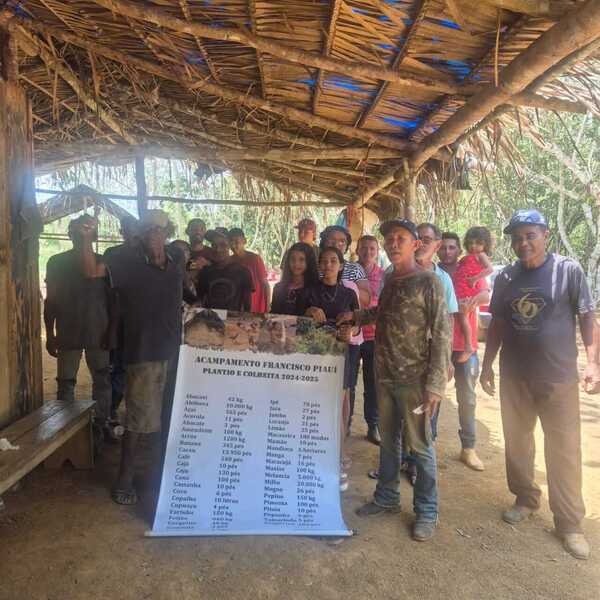
Spurred by the Second Vatican Council and liberation theology, the Catholic Church in Brazil developed tools for grassroots pastoral action and strengthened processes of community organization and critical interpretation of social realities. These processes laid the foundations for the Church’s current actions in a region where the Belo Monte hydroelectric dam has already caused significant biodiversity loss and severely undermined the lives of local communities. When Canadian mining company Belo Sun received authorization by the Brazilian government to build a large open-pit gold mine in the area, a broad mobilization emerged, bringing together local communities, Indigenous and riverine organizations, social movements, and the Catholic Church through its diocesan structures, Pastoral Land Commission and Indigenous Missionary Council. Thanks to this mobilization, the project was suspended by court order in December 2024. The decision was later overturned, and the company’s environmental license was reinstated in February 2026. Currently, opposition to the project has intensified, and legal proceedings remain ongoing. This case study examines five types of actions: 1) walking alongside those whose rights have been violated; 2) documenting human rights violations and critically analyzing social realities; 3) communicating and narrating what is happening and why; 4) building and strengthening the organization of local communities; and 5) pursuing structural change.
Translations were done with DeepL translation software and proofread by human readers who are native language speakers.