The Kibali Gold Mine, Diocese of Isiro-Niangara, Democratic Republic of the Congo
Author: Henri Muhiya, former Executive Secretary of the Commission for Natural Resources of the Catholic Bishops Conference of the Congo
Year: 2026
Location: City of Durba, Kibali chiefdom, Watsa territory, Haut-Uélé Province, Northeast of Democratic Republic of the Congo
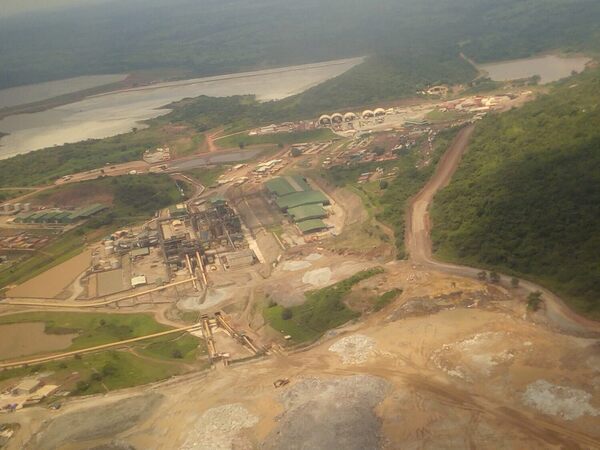
In 2015, the Commission for Natural Resources of the Catholic Bishops’ Conference of the Congo (Commission Episcopale pour les Ressources Naturelles, CERN) and the Dutch-branch of Pax Christi, PAX, published a report on the situation of the Kibali gold mine near the Ugandan border. The report documented many human rights and environmental abuses from the company Kibali Goldmines. The area had been mainly mined by artisanal miners until the company fenced off territories and prevented local populations to access their livelihoods. Those who organized to demand their rights had been repressed by armed forces leading to some serious incidents. This case study tells the story of how CERN partnered with international organizations to document human rights violations and gathered evidence to support advocacy for improved coexistence and better revenue distribution. It highlights how the publication of the report led to opening a dialogue between the Congolese state, Kibali Goldmine, and local communities. The dialogue led to the company collaborating with civil society to strengthen regulations and increase revenue distribution. The case also emphasises the importance of training local populations on the Mining Code and their rights to ensure mining royalties promote their integral human development.
Translations were done with DeepL translation software and proofread by human readers who are native language speakers.
Resources
- The Kibali Gold Mine, Diocese of Isiro-Niangara, Democratic Republic of the Congo
- La mina de oro de Kibali, Diócesis de Isiro-Niangara, República Democrática del Congo
- La mine d’or de Kibali, Diocèse d’Isiro-Niangara,République démocratique du Congo
- A mina de ouro de Kibali, Diocese de Isiro-Niangara, República Democrática do Congo